News

Sycuan and Brianna

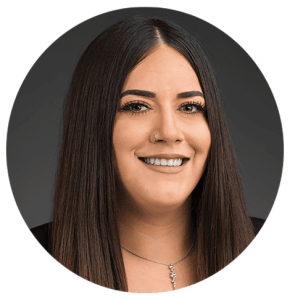
brianna scharnowThe San Diego Brain Injury Foundation is deeply grateful to be selected as a recipient of Sycuan’s annual Holiday Gift Giving Ceremony, a cherished tradition that supports organizations making a meaningful impact in our community.

Each year, Tribal Council Members and senior leaders from Sycuan’s Management Team have the opportunity to designate a holiday gift to a charity of their choice. We are honored to share that Brianna Scharnow, Treasurer of the Sycuan Band of the Kumeyaay Nation, selected the San Diego Brain Injury Foundation as her recipient and generously awarded us a gift of $10,000.

This incredible contribution will directly support our mission to serve individuals and families impacted by brain injury. Funds like these help us provide critical education, resources, and life-changing programs that promote recovery, resilience, and hope for those navigating the challenges of brain injury.

We are sincerely thankful to Treasurer Scharnow for her compassion and generosity, and to Sycuan for their continued commitment to giving back through the Holiday Gift Giving Ceremony. Partnerships like this strengthen our work and help ensure that survivors and families in our community never have to face recovery alone.

From all of us at the San Diego Brain Injury Foundation—thank you for believing in our mission and for making a lasting difference this last holiday season.

Kiana Davis

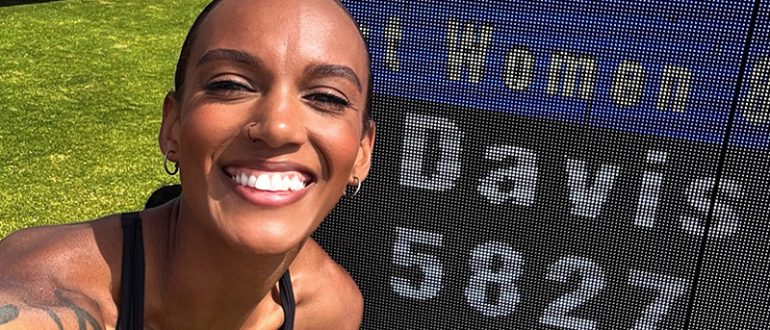
Kiana Davis runningAfter my first professional (indoor) track and field season in 2018, just completing college (Dec 2017), I slipped in ice and my head hit a concrete ramp leaving a basketball game. What started off as embarrassment, I tried to giggle it off, but realized my balance was compromised when I fell again walking to my car. When I got to my car, I realized I didn’t remember how to drive, so I called a friend, who took me home and told me to go to sleep. After waking up vomiting and confused as to where I was, I ended up in the hospital, soon to find out I had a traumatic brain injury.

I woke up the next morning with slurred/slowed speech and ringing ears, which was getting progressively worse. Unable to function in regular activities, such as showering and cooking on my own, my parents put me on leave at work, and moved me home, for what we thought would be a few days to a few weeks. After months had passed, I had to say goodbye to my coach, sign off on my apartment, quit my job, and fully move home, as we realized this wasn’t going to be a short-term injury.

Kiana Davis at a meetThere were changes in my personality, speech, hearing, and emotional regulation, as well as needing to sleep for the majority of most days. As my day-to-day functioning began to progress, I had to face the fact that I wasn’t able to move around much without motion sickness and overheating in my body temperature, so I started to realize track might not be something I would be able to return to.

With time, I was able to begin working part time, and gradually full time, and slowly began exercising. Though my speech was progressing, my hearing loss also progressed. After a full year, I had gained about 40 pounds, and lost a lot of balance/ coordination. But I decided I was going to do whatever it took to get back to track. I knew in my heart it wasn’t time to hang up my spikes. I slowly transitioned back into training and sport, throughout 2020, and made the Olympic trials finals in 2021. I came back that year and had jumped further than I jumped prior to my injury!

Though it seemed like I was progressing, the following year I started having health complications such as daily nausea, seizures, sleepwalking/disturbances, and random loss of muscle control and coordination (including peeing my pants at practice on multiple occasions). We had to reanalyze if sport was going to be beneficial to my health in the long run. I was in and out of the hospital throughout 2022-2023, working with neurologists and specialists, but I continued my training. I switched events from jumping to running to give my brain and spinal cord a rest, and have continued training to this point. I never gave up and I am currently training for the 2024 Olympic trials in hopes to compete on the Olympic team!

UPDATE: Kiana is this year’s Honorary Chair for the SDBIF Friendraiser. So, if you would like to meet her in person, please join us on September 20 at the Admiral Baker Club House for an inspirational evening surrounded by friends of brain injury recovery!

Follow Kiana on Instagram: @kiana_imani

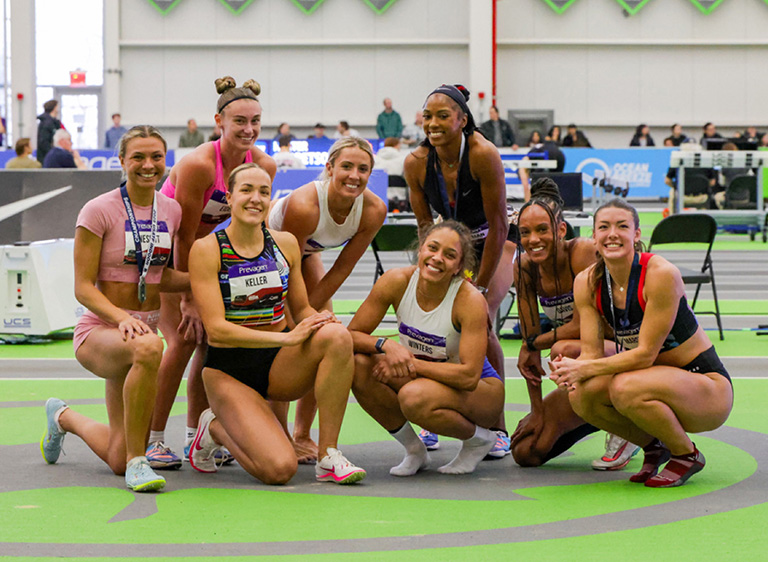
Kiana with track team

As our Executive Director stated in her letter, one of SDBIF’s goals is to find new and effective ways to address reintegration challenges and provide meaningful solutions by offering individualized navigation action plans for survivors.

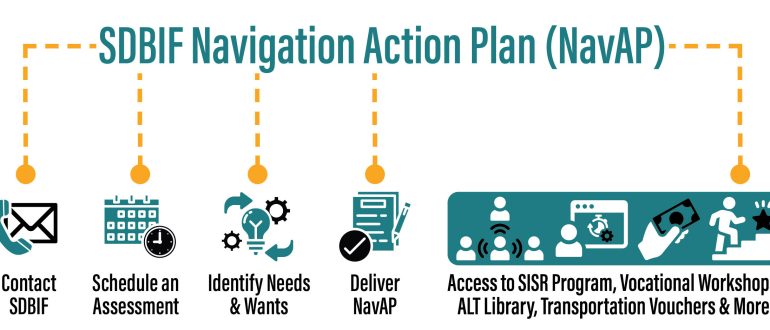
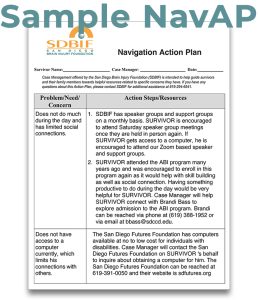
Sample NavAP with captionWHAT IS A NAVIGATION ACTION PLAN?
A Navigation Action Plan (NavAP) identifies a survivor’s needs and current barriers and provides steps on how to address, work through and overcome them.

This plan serves as a roadmap, outlining the steps the brain injury survivor must take to progress towards their short-term goals. The NavAP addresses the survivor’s physical, emotional, and cognitive needs, as well as personal goals and preferences; and includes tailored recommendations and actionable steps, ensuring that the survivor has a clear and achievable pathway to follow.

HOW DOES A SURVIVOR OBTAIN A NavAP?
A survivor needs to do a simple 30-45-minute assessment completed with a SDBIF Program Coordinator. These are completed over the phone (or it can be in-person), where the Program Coordinator will ask a series of questions to get to know and understand the survivor’s situation, challenges, and aspirations better.

Better yet, It is VERY easy to ask for one of these assessments to be done. All a survivor has to do is call SDBIF’s Telephone Helpline at (619) 294-6541 or email info@SDBIF.org and ask to schedule one!

HOW MUCH DOES A NavAP COST?
NOTHING!!! These are Free-of-Charge thanks to funding from the California Department of Rehabilitation and the generous donations of SDBIF’s supporters.

WHAT ARE NEW BENEFITS SURVIVORS HAVE ACCESS TO AFTER COMPLETING A NavAP?
SDBIF has begun a series of new initiatives in 2025 that active, participating survivors will have access to, once a NavAP is completed.

SISR Program
SDBIF is partnering with SDSU’s School of Health and Human Services–Center for Clinical & Cognitive Neuroscience to launch the Students Invested in Survivor Reintegration (SISR) Program. This advocate-based initiative pairs junior and senior undergraduate students with TBI survivors to assist with facilitating their reintegration from rehab to community life. Guided by Dr. Stephaine Ries, Professor, Dr. Roslyn Knox, SDBIF Executive Director, and Dr. Dan Gardner, M.D., a renowned brain injury expert, participants will receive training and support to ensure effective enrollment and engagement.

The objectives of SISR include weekly 1-on-1 meetings between students and survivors to enhance daily living and communication skills, advocacy support for navigating community resources, organization, and goal setting. Additionally, students will assist survivors with technology through workshops. The program will operate repeatedly on a semester basis, with ongoing assessment and reassessment using standardized instruments to track outcomes.

Community & Vocational Readiness Workshops
Partnering with Rehab Without Walls, SDBIF will host a monthly workshop series, each session led by licensed practitioners in various therapy disciplines. These interactive workshops will cover essential strategies and skills to prepare participants for re-entering the community and the workforce.

Assisted learning Technology Library
SDBIF is committed to bridging the digital divide after brain injury to address technological literacy needs. Recognizing the importance of access to technology and assistive devices, SDBIF will establish the Assisted Learning Technology (ALT) Library where workshops will be held to assist survivors in re-learning essential technology skills. This ALT Library will provide survivors and their families with access to computers, the internet, assistive technology, and printed materials, serving as a hub for workshops and technological assistance services.

Transportation Vouchers
Recognizing transportation barriers faced by survivors, SDBIF will offer financial assistance to enrolled survivors in need. Collaborating with rideshare services and public transportation systems, SDBIF will provide passes and vouchers for healthcare appointments, social services, and SDBIF programs. Additional assistance may be available upon request.

What's next graphic
UNITED FOR REINTEGRATION
SDBIF’s Navigation Action Plan (NavAP) provides survivors with a personalized roadmap to overcome challenges and achieve their goals—all completely free. With new 2025 initiatives like the SISR Program, vocational workshops, assistive technology resources, and transportation vouchers, survivors have more support than ever.

If you or a loved one could benefit from a NavAP, reach out today! Just call (619) 294-6541 or email to info@SDBIF.org to start your reintegration journey. Your future is ready—let’s navigate it together!

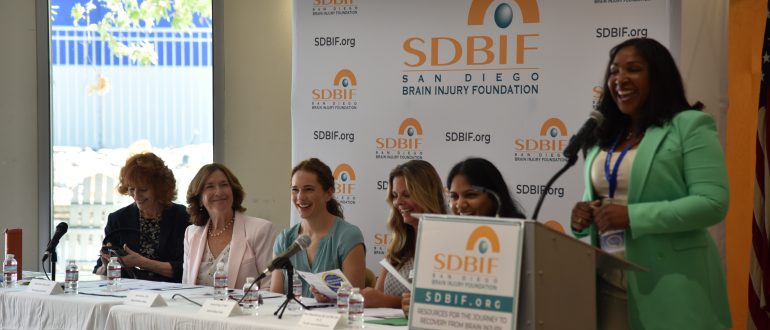
Roslyn and Brain Injury Symposium Panelists

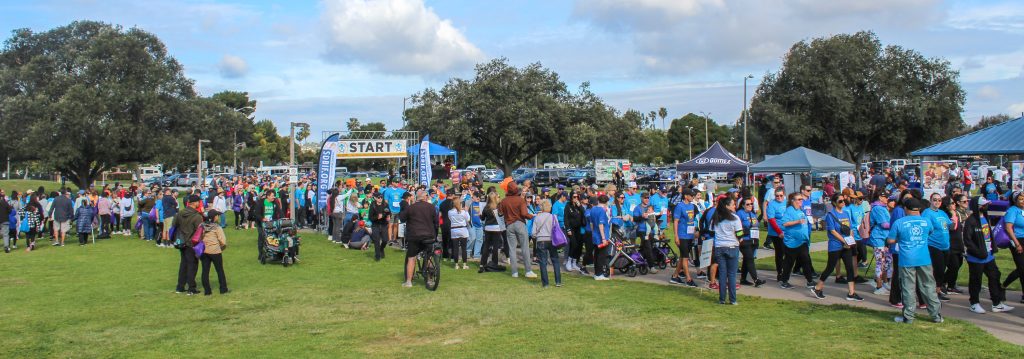
surviveHEADSTRONG San Diego 2024 walk start
As we come to the close of 2024, we want to extend our heartfelt gratitude to each of you—the donors, advocates, professionals, family members, friends, and most importantly, the incredible survivors who form the heartbeat of the San Diego Brain Injury Foundation (SDBIF). This has been a transformative year for our organization, a year where we took bold steps in re-structuring and re-imagining what’s possible when we come together with dedication, passion, and purpose. Because of you, this year has been one of growth, accomplishment, and progress for the entire brain injury community.

A Year of Re-Structuring and Re-Imagining
In 2024, we set out with a vision: to reinforce our foundation to not only provide resources and support but to also embody resilience, community, and advocacy. This re-imagining required fresh perspectives and hard work, and we couldn’t have done it without your belief in our mission. Whether through your generous donations, volunteer work, expertise, or the simple but profound act of showing up, your commitment has been invaluable. Together, we’re building something stronger and more impactful than ever before.

This year was also a testament to the power of community-driven change. Every program, event, and initiative we introduced was inspired by your insights and needs. From support groups and educational workshops to our new community events, we focused on creating spaces where survivors and families could feel seen, heard, and supported. These milestones were achieved thanks to your unwavering support and engagement.

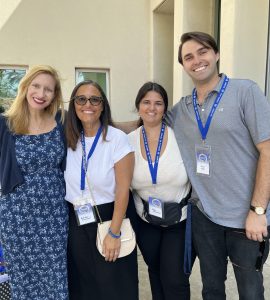
Megan,Andreia,Gabriella,JasonCelebrating Accomplishments Together
As we look back on the achievements of this year, it’s clear that our progress is a direct result of your involvement. Each of you—donors, supporters, and collaborators—has played an integral role in making 2024 a success. Your donations have funded essential programs, your advocacy has raised awareness, and your expertise has guided our decisions. With your support, we’ve expanded access to services, enhanced resources for survivors, and deepened our partnerships with healthcare providers, advocates, and other community organizations. Together, we’ve achieved what once felt beyond reach, and it’s only the beginning.

Thank You to Our Donors and Advocates
To our dedicated donors, thank you for believing in our vision and investing in the future of brain injury support. Every contribution has a ripple effect, directly improving the lives of survivors and their families. To our passionate advocates, your voices amplify the needs of our community. You remind the world of the challenges faced by brain injury survivors and the importance of understanding, support, and inclusivity. Your tireless work uplifts and empowers every survivor in San Diego and beyond.

A Heartfelt Tribute to Professionals, Families, and Friends
To the professionals who partner with us and guide our efforts, thank you for your commitment to ensuring that survivors receive the highest quality of care and resources. Your expertise and dedication bring hope and healing to countless individuals navigating their recovery journeys. To the support system of families and friends who stand beside our survivors each day, your love, patience, and resilience are truly inspiring. You are the unsung heroes, providing strength and comfort in ways that words cannot capture.

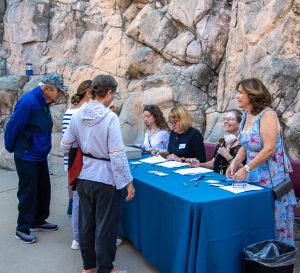
2024 Friendrasier check-inAnd Above All, Thank You to Our Survivors
Finally, to our incredible survivors—you are the reason we do what we do. Your courage, determination, and resilience are the driving force behind every decision, every program, and every event. We are honored to be part of your journey and are inspired daily by your strength and perseverance. Thank you for allowing us to walk this path with you and for showing us what it means to truly live with purpose and resilience.

Looking Forward to 2025
As we move into 2025, we carry forward the momentum and enthusiasm that 2024 has sparked. We are excited to continue re-imagining the ways SDBIF can serve and support you. Together, we will create new opportunities, deepen our partnerships, and ensure that every survivor in our community has access to the resources and support they deserve.

Thank you for making this year so meaningful and memorable. With your continued support and involvement, the future holds endless possibilities for the brain injury community. Here’s to a new year of hope, resilience, and togetherness.

With deepest gratitude,
The Entire Team of the San Diego Brain Injury Foundation

Stevie McCarley

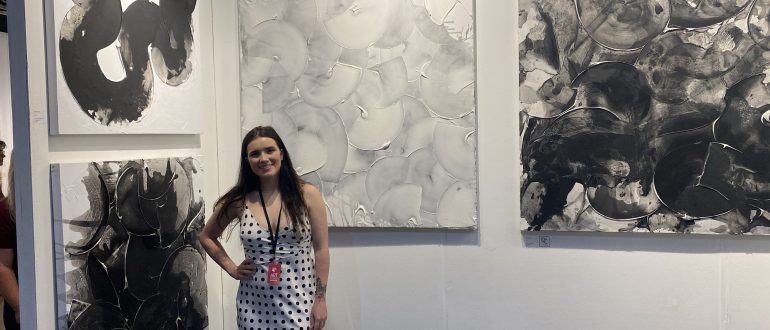
In 2013 I suffered an anoxic brain injury. I started making art soon after. Art became my way of healing through my life and brain changing. Art gave me a direction in life. I took art classes and spent many long hours in my studio. My first exhibition was called brain texture because I realized a lot of the imagery, I was creating looked similar to a brain. Creating became my purpose. I like to work with multiple mediums such as acrylics, oils, texture and charcoal. I have found that my brain enjoys the challenge of new mediums and using inventive practices. I have made a life for myself while still struggling with my disability. I am constantly amazed by how my brain keeps growing and healing.

I’d like to give hope to those who are at the beginning of their brain injury journey. It’s okay to accept that things are different and that in many ways life is harder. Your healing is not limited to a timeline. I have been able to accomplish big life goals 5 to10 years out from my injury, so many things that I was not able to do or even thought would be possible for me right after my injury. Don’t give up on yourself or your brain. Love yourself and try to find ways to love your brain. In many ways it is your partner in this life even though some days it may feel like your greatest adversary. So be kind to your brain, you both have been through so much.

Stevie photo & art

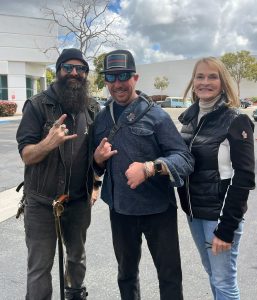
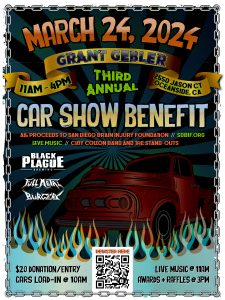
Grant GeblerAt the beginning of the year, SDBIF was blessed with a new partnership…and friendships—we were contacted by Full Metal Burgers and Black Plague Brewery about donating all the proceeds from their 3rd Annual Grant Gebler Car Show and Benefit Concert to SDBIF! We were amazed by their passion for the SDBIF mission and found out why…

Their friend and colleague, Grant Gebler, suffered a stroke on 11/11/2020. His friends at Full Metal Burgers and Black Plague Brewing wanted to do something to help Grant’s recovery…so, they started this annual Car Show and Concert fundraiser to help him monetarily…AND show him the love and support he has all around him.

Grant Gebler BenefitGrant has now recovered to the point where he is back to work, and they have decided to use this event’s proceeds to support others who are on their journey to recovery from brain injury. So, on March 24th, Full Metal Burgers and Black Plague Brewery put on a spectacular event with a car show, music performances and amazing food and drinks. Despite the weather, there was quite a turnout, and in the end, the San Diego Brain Injury Foundation was presented with a $1500 check!

We are grateful for this partnership, our new friendships and more importantly, are glad to see Grant well on his way to recovery.

If you are in the Oceanside area…grab a tasty burger and brew and tell them how much their support means to us!!!

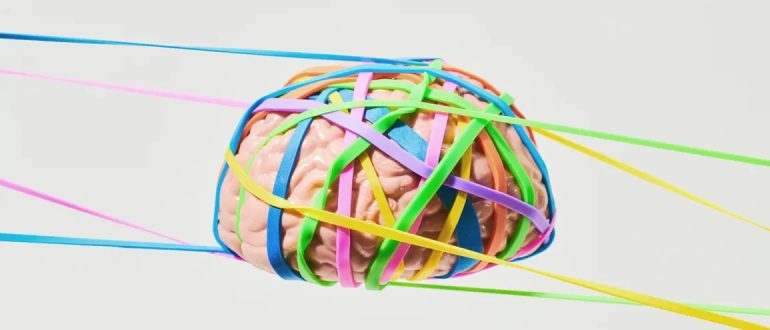
Brain wrapped in rubbberbands to demonstrate neuroplasticity

Does Brain Plasticity Increase After a Head Injury?

Medically reviewed by Nancy Hammond, M.D.
By James Roland for healthline.com on July 28, 2022

 
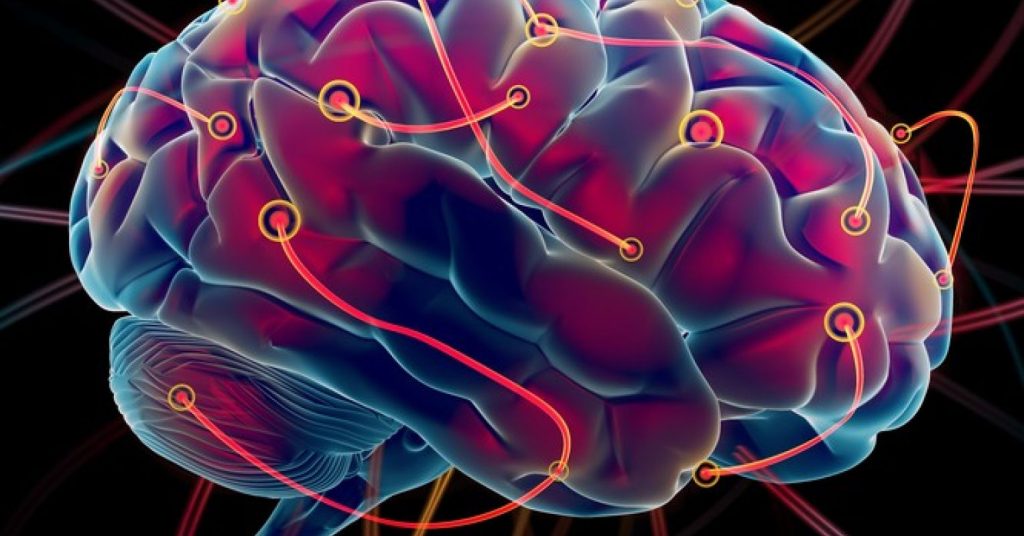
Brain plasticity, also called neuroplasticity, refers to the brain’s ability to adapt its structure and function in response to changes, such as a head injury or aging. Brain plasticity also involves the formation of new connections between neurons (brain cells).

The brain’s ability to reorganize these features after an injury affects the nature of post-injury recovery.

The severity of the injury goes a long way toward determining how the brain responds. But it’s often possible to boost brain plasticity with interventions and rehabilitation during the healing process.

What is brain plasticity?
Brain plasticity is a term that refers to the brain’s ability to restructure and reconfigure itself in response to change.

Change that can influence the brain comes in several forms. Expected changes include learning, experience, and aging. Unexpected changes include things like stroke and head injury.

Neuroplasticity has long been observed in children. It involves a process called neurogenesis, which is the formation of new neurons in the brain (and elsewhere in the nervous system).

There are two basic types of brain plasticity: structural and functional.

Structural Plasticity
Structural plasticity refers to the way the brain’s physical structure changes in response to learning.

For example, a small 2018 studyTrusted Source showed that healthy adults who participated in balance training twice a week, for 12 weeks, experienced thickening in certain areas of the brain involved in spatial orientation.

A 2016 study examined neuroplasticity in people learning to read Braille. It found that over the course of daily lessons, for 3 weeks, study participants developed increased connectivity in regions of the brain involved in processing sensations like touch.

Functional Plasticity
Functional plasticity refers to the brain’s ability to heal itself after injury. To achieve this, healthy regions of the brain adapt to take over certain functions that the damaged parts of the brain used to perform. This makes functional plasticity especially relevant for people recovering from head injuries.

A 2017 review of studies examining the role of neuroplasticity in stroke recovery found that a stroke can actually trigger neuroplasticity in certain areas. Neuroplasticity plays a role as the brain tries to resume regular functions, like speaking and controlling the movement of limbs.
 
Brain image with new wiring

Can brain plasticity help you heal after a TBI?

 
A traumatic brain injury (TBI) refers to changes in brain function or brain health caused by an external force, such as a serious blow to the head.

The Centers for Disease Control and Prevention (CDC)Trusted Source reports that there were more than 220,000 TBI-related hospitalizations in 2019 and more than 64,000 TBI-related deaths the following year.

A TBI differs from a nontraumatic brain injury, also known as an acquired brain injury. Acquired brain injuries are those caused by internal factors, such as a stroke, which can damage brain tissue and affect muscle control, speech, cognition, and other functions.

When spontaneous brain plasticity doesn’t occur, it’s sometimes possible to boost neuroplasticity artificially.

 
A 2020 review of neuroplasticity therapies to treat stroke survivors suggests that approaches such as brain stimulation therapy and virtual reality might help enhance brain plasticity. It may also be possible to transfer nerves from healthy parts of the brain to injured parts.

Similarly, a 2017 review of studies on cognitive rehabilitation following TBI, suggests that memory and other thinking skills may be recovered to some degree with the help of cognitive rehabilitation. The studies showed how cognitive rehabilitation helped to modify damaged neural connections and various brain functions.

Does a brain injury increase neuroplasticity?

Because different regions of the brain are responsible for different functions, the location and severity of an injury determine which functions are affected and to what degree.

For example, certain areas of the brain are responsible for your ability to move certain parts of the body, like your left arm or your right foot.

This is where brain plasticity can help you heal after a brain injury. Just as exercise and learning can enhance brain structure and function, the body’s natural healing and recovery process after an injury can also increase neuroplasticity.

When neurons die due to injury, the brain naturally responds within a few days by developing new neural networks and recruiting various types of cells to take the place of those damaged or killed in the injury.

The extent to which neuroplasticity occurs depends on an individual’s age, the location of the injury, and other factors.

Does age matter after brain injury?

Whether it’s a brain injury or a broken wrist, being younger is always an advantage when it comes to recovery.

A 2008 studyTrusted Source of TBI survivors noted that disability scores following a TBI tended to be significantly better among younger TBI survivors compared with older individuals, even when those older survivors had less severe injuries. And the younger patients improved more in the first 5 years after the injury.

A 2019 report notes that because age affects neuroplasticity, the need for more strategies and therapies to compensate for age-related changes should be a higher priority in the face of an aging population.

Can you see brain plasticity on an MRI?

One of the most useful tools in diagnosing the impact of a TBI, stroke, or other injury or illness affecting the brain is magnetic resonance imaging (MRI).

An MRI can detect many changes in brain structure and function. Current technology is far from perfect, but it’s continuing to improve.

A 2021 articleTrusted Source suggests that advanced MRI techniques are helping doctors develop a more accurate picture of mild TBIs. This may help improve the treatment and understanding of mild TBIs in the future.

A newer type of MRI, called functional MRI (fMRI), can help doctors observe brain activity, not just brain structure. This may be particularly helpful in studying brain damage and recovery.

A 2017 studyTrusted Source of neuroimaging after TBI notes that fMRI can detect changes in thinking skills, emotions, and the course of neuroplasticity after an injury to the brain. The study says that fMRI is a helpful tool in assessing the damage caused by TBI and tracking brain changes during recovery.

But fMRI, the study says, will need to be accompanied by other data if it’s going to inform treatment decisions. This includes information gathered during cognitive-behavioral evaluations and other assessments.
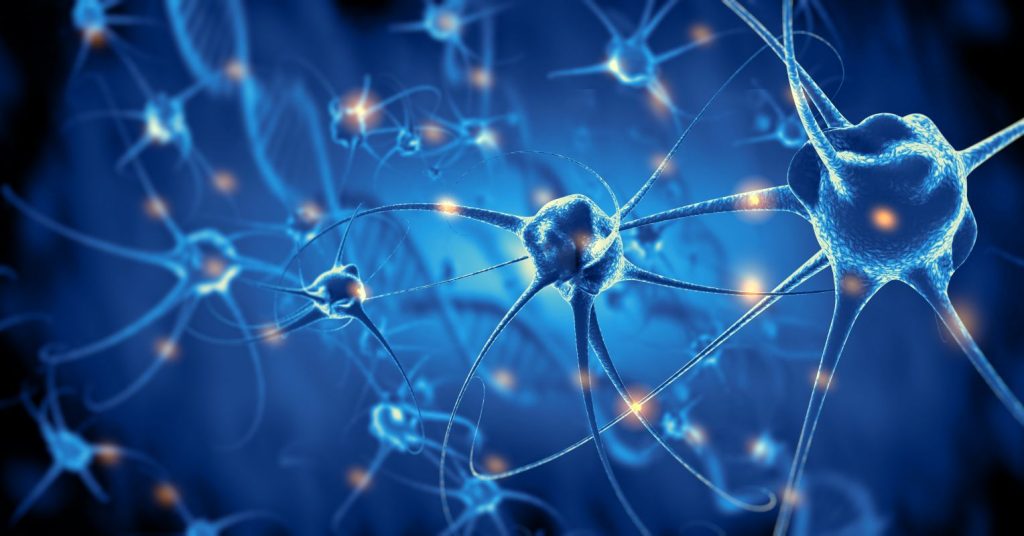
Image Neurons reconnecting

How long does it take to heal after a TBI?

 
The time necessary to heal from a TBI can vary considerably from one person to the next. This is based mostly on the seriousness of the injury, as well as its location, the age of the individual, and that person’s overall physical and mental health.

A full recovery from a mild TBI can be expected in about 3 months. People with a moderate TBI will take longer to heal and will typically need cognitive rehabilitation, physical therapy, and other interventions.

Predicting the degree and length of recovery from a severe TBI is very difficult, and should be done on a case-by-case basis.

Takeaway

Brain plasticity after a head injury is when brain functions thought to be lost due to damage begin to be adopted by other, healthy brain tissue.

While not all functions can be reorganized or reestablished completely, the brain’s remarkable adaptability can often help people who had a stroke, traumatic brain injury, or other harmful events recover some function.

Brain plasticity can be encouraged through cognitive therapy, physical therapy, and other treatments.

CLICK HERE to read the original article

 

Dr Roslyn Knox SDBIF Executive Director

Dr. Roslyn Knox, Executive Director of SDBIFOctober 4, 2022 (San Diego, CA)—The San Diego Brain Injury Foundation (SDBIF) is proud to introduce Roslyn Knox, PhD, MBA, as their new Executive Director. Dr. Knox’s role will be to lead SDBIF as they expand into new markets, develop new programs to serve the brain injury community and strengthen the network of brain injury community contacts SDBIF works with to ensure survivors (and those affected by brain injury) have access to necessary resources.

Over the last 25 years, she has had diverse experiences working in under-served communities, including: successfully executing growth strategies, developing and administering programs, building networks, teaching, procuring program funding, training, expanding community engagement and reach, and conducting research. Dr. Knox is a Certified Professional Coach helping women and girls that have been egregiously affected by trauma or tragedy shift their mindset to achieve life and career goals.

Dr. Knox has first-hand experience of surviving traumatic injury affecting her life and injury of close family members. In her own words, “My years-long journey of re-building and re-directing the trajectory of my life, lit an inextinguishable fire in me to use all my knowledge, experience, skills, and education to help survivors and their families. I am excited and grateful to work with the brain injury community, and support survivors on their journey to successfully reclaim their lives.”

SDBIF COO, Stephanie Bidegain, commented, “It is going to be a pleasure to work alongside Dr. Knox as she takes SDBIF into the future. She is a true leader that brings a long-term vision and direction for the Foundation, as well as passion and determination to see that these next steps are done correctly. We are all excited to have her on board.”

Here’s a personal message from Dr. Knox to the brain Injury Community:

ABOUT SDBIF
The San Diego Brain Injury Foundation (SDBIF) was founded in 1983 as the preeminent resource for brain injury survivors, as well as their caregivers and their families, to provide information, resources, support, education, and community awareness. Their mission is to improve the quality of life for brain injury survivors and their families. It is a non-profit
organization under section 501(c)3 of the Internal Revenue Code.

DOWNLOAD A PDF OF THIS PRESS RELEASE HERE

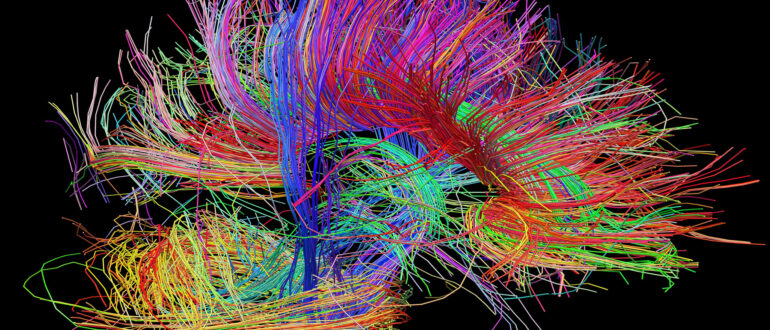
Brain image (Photo/Courtesy of USC Stevens Institute for Neuroimaging and Informatics)

Brain image (Photo/Courtesy of USC Stevens Institute for Neuroimaging and Informatics)

Researchers Create Maps of the Brain After Traumatic Brain Injury

Anne Warde, UC Irvine, June 17, 2022

 
Scientists from the University of California, Irvine have discovered that an injury to one part of the brain changes the connections between nerve cells across the entire brain.

The new research was published this week in Nature Communications.

Every year in the United States, nearly two million Americans sustain a traumatic brain injury (TBI). Survivors can live with lifelong physical, cognitive and emotional disabilities. Currently, there are no treatments.

One of the biggest challenges for neuroscientists has been to fully understand how a TBI alters the cross-talk between different cells and brain regions.

In the new study, researchers improved upon a process called iDISCO, which uses solvents to make biological samples transparent. The process leaves behind a fully intact brain that can be illuminated with lasers and imaged in 3D with specialized microscopes.

With the enhanced brain clearing processes, the UCI team mapped neural connections throughout the entire brain. The researchers focused on connections to inhibitory neurons, because these neurons are extremely vulnerable to dying after a brain injury. The team first looked at the hippocampus, a brain region responsible for learning and memory.

Then, they investigated the prefrontal cortex, a brain region that works together with hippocampus. In both cases, the imaging showed that inhibitory neurons gain many more connections from neighboring nerve cells after TBI, but they become disconnected from the rest of the brain.

“We’ve known for a long time that the communication between different brain cells can change very dramatically after an injury,” said Robert Hunt, PhD, associate professor of anatomy and neurobiology and director of the Epilepsy Research Center at UCI School of Medicine whose lab conducted the study, “But, we haven’t been able to see what happens in the whole brain until now.”

To get a closer look at the damaged brain connections, Hunt and his team devised a technique for reversing the clearing procedure and probing the brain with traditional anatomical approaches.

The findings surprisingly showed that the long projections of distant nerve cells were still present in the damaged brain, but they no longer formed connections with inhibitory neurons.

“It looks like the entire brain is being carefully rewired to accommodate for the damage, regardless of whether there was direct injury to the region or not,” explained Alexa Tierno, a graduate student and co-first author of the study. “But different parts of the brain probably aren’t working together quite as well as they did before the injury.”

The researchers then wanted to determine if it was possible for inhibitory neurons to be reconnected with distant brain regions.

To find out, Hunt and his team transplanted new interneurons into the damaged hippocampus and mapped their connections, based on the team’s earlier research demonstrating interneuron transplantation can improve memory and stop seizures in mice with TBI.

The new neurons received appropriate connections from all over the brain. While this may mean it could be possible to entice the injured brain to repair these lost connections on its own, Hunt said learning how transplanted interneurons integrate into damaged brain circuits is essential for any future attempt to use these cells for brain repair.

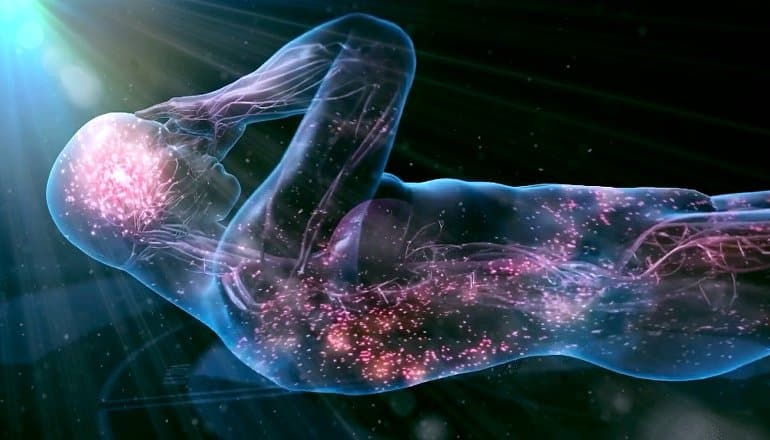
One of the biggest challenges for neuroscientists has been to fully understand how a TBI alters the cross-talk between different cells and brain regions. Image is in the public domain One of the biggest challenges for neuroscientists has been to fully understand how a TBI alters the cross-talk between different cells and brain regions. Image is in the public domain

“Our study is a very important addition to our understanding of how inhibitory progenitors can one day be used therapeutically for the treatment of TBI, epilepsy or other brain disorders,” said Hunt.

“Some people have proposed interneuron transplantation might rejuvenate the brain by releasing unknown substances to boost innate regenerative capacity, but we’re finding the new neurons are really being hard wired into the brain.”

Hunt hopes to eventually develop cell therapy for people with TBI and epilepsy. The UCI team is now repeating the experiments using inhibitory neurons produced from human stem cells.

“This work takes us one step closer to a future cell-based therapy for people,” Hunt said, “Understanding the kinds of plasticity that exists after an injury will help us rebuild the injured brain with a very high degree of precision. However, it is very important that we proceed step wise toward this goal, and that takes time.”

Jan C. Frankowski, PhD; Shreya Pavani; Quincy Cao and David C. Lyon, PhD also contributed to this study.

CLICK HERE to read the original article

 

Fatigue After Brain Injury

By Katherine Dumsa, OTR/L, CBIS and Angela Spears, MA, CCC-SLP, DPNS, CBIS, Rainbow Rehabilitation Centers

 
Fatigue is a part of life that is experienced by everyone. Whether it is from a busy day at work, a demanding workout, or after paying attention to a long lecture, the term “I’m tired” is exceedingly common.

Fatigue and Traumatic Brain Injuries
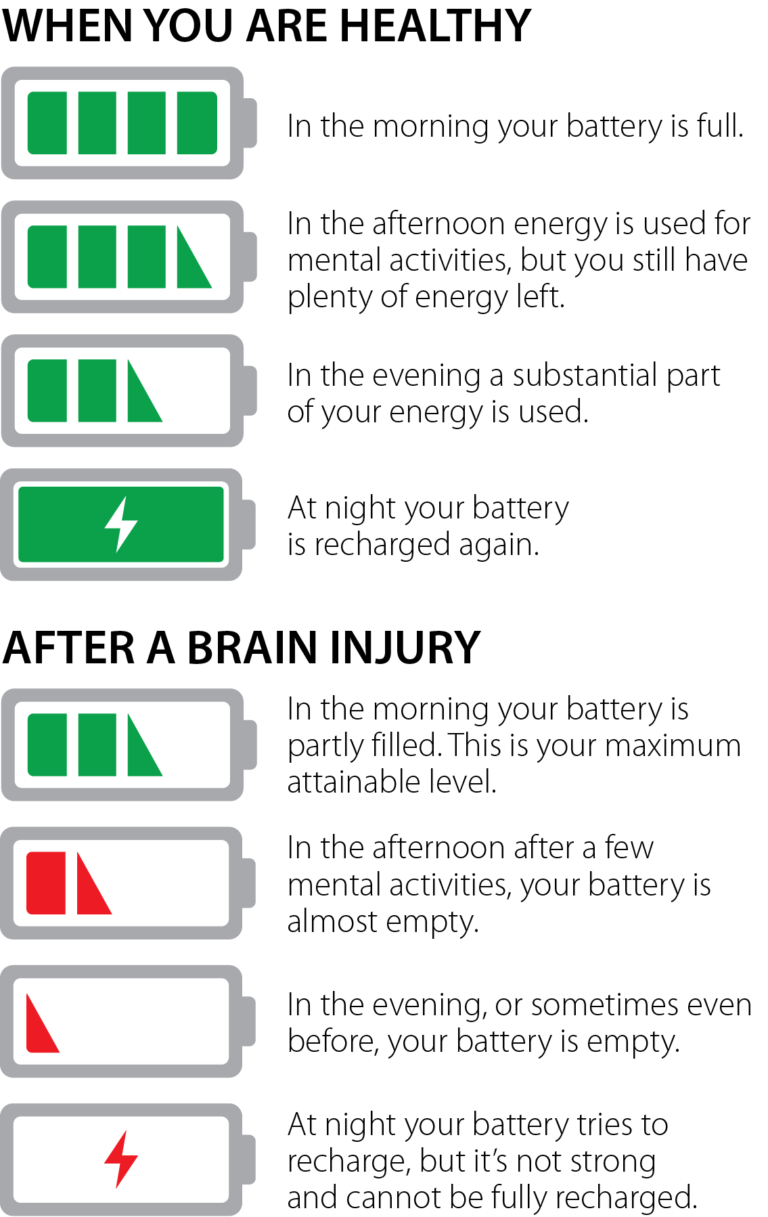
For individuals with brain injuries, fatigue (sometimes referred to as cognitive fatigue, mental fatigue, or neurofatigue), is one of the most common and debilitating symptoms experienced during the recovery process. It can become a significant barrier to one’s ability to participate in the activities they want and need to do in daily life. It is reported that as many as 98% of people who have experienced a traumatic brain injury have some form of fatigue. Many report that fatigue is their most challenging symptom after brain injury. Reasons for the fatigue are not well understood but may include endocrine abnormalities, the need for the brain to work harder to compensate for brain injury deficits (in other words, inefficiency), or changes to brain structures.

Assessment Tools to Determine Fatigue Levels
Fatigue can be difficult to identify because it is not always reported by the patient or obvious to others. Clinicians use various self-report assessment tools to gain further information on a patient’s fatigue levels and the impact it has on their overall daily functioning. Two of the scales specifically designed for individual patients with brain injuries include the Barrow Neurological Institute Fatigue Scale (BNI) and the Cause of Fatigue Questionnaire (COF). Clinicians must also evaluate physical and mental changes, which can lead to depression and other psychiatric conditions following brain injury. The changes can commonly present as overwhelming fatigue.

Symptoms
Generally, those who have sustained brain injuries have described fatigue as a sense of mental or physical tiredness, exhaustion, lack of energy, and/or low vitality. Physical observations of fatigue include yawning, an appearance of confusion or “brain fog,” or easily losing attention and concentration. In more severe cases, it may present as forgetfulness, irritability, slurred speech, or dizziness. Emotions can become raw at this level of fatigue, affecting mood, motivation, and interaction with one’s social network. To manage fatigue effectively, individuals must learn to identify the symptoms of fatigue and how to modify activities that may trigger fatigue. Managing fatigue effectively will help decrease stress levels and improve overall performance for both work and home activities. Some fatigue-inducing activities include:

  • Working at a computer
  • Watching television excessively
  • Having a stimulating sensory environment
  • Concentrating on paperwork
  • Reading for long periods of time
  • Physically demanding tasks
  • Cognitively demanding tasks
  • Emotionally draining tasks
  •  
    Symptoms of fatigue can include:

  • Physical Symptoms: a pale or greyish pallor, glazed eyes, headaches, tension in muscles, shortness of breath, slower movement and speech, decreased coordination, or difficulty staying awake.
  • Cognitive Symptoms: increased forgetfulness, distractibility, decreased ability to follow directions, making an increased number of mistakes, decreased awareness of surroundings, or increased response time or lack of response.
  • Social/Emotional Symptoms: decreased ability to communicate effectively, decreased ability to engage in social activities, irritability, restlessness, emotional lability, increased negative thoughts, withdrawal, short answers, dull tone of voice, lack of motivation and interest, or difficulty engaging in activities of daily living.
  •  
    Fatigue Is Not Laziness
    In today’s multi-media society, we take in, absorb, and process large amounts of information every day. It can be difficult for family members or peers to understand the limitations caused by fatigue following a brain injury. Unfortunately, it can be mistaken for laziness or an unwillingness to participate in therapies and daily activities. It is important to understand that lacking the mental energy needed to complete tasks does not equate to lacking the desire to complete those tasks. Many individuals struggling with fatigue have motivation but lack the energy to keep up with daily demands.

    Coping Strategies Used to Ease Symptoms
    When managing fatigue, it is important to identify and treat physical factors that may be contributing to the fatigue. Recognizing early signs of fatigue and working with the patient so they understand how to respond to these is beneficial. By learning to recognize these triggers, one can learn coping strategies to successfully meet daily demands, ultimately increasing quality of life. These strategies include:

  • Having a Healthy Sleep Routine – This can be done by setting a sleep schedule of when to go to bed and when to wake, regardless of the day of the week. Establishing a strict routine using an alarm clock allows the brain proper rest. When rest is needed, aim for a “power nap” of 30 minutes maximum to avoid feeling over tired for the remainder of the day. Lack of sleep has a negative effect on our cognition, mood, energy levels, and appetite. The American Academy of Neurology reports that as many as 40% to 65% of people with mild traumatic brain injury complain of insomnia, so maintaining a sleep hygiene program is essential to recovery and to managing fatigue.
  • Practicing Energy Conservation – Pacing yourself each day, or prioritizing daily tasks to avoid becoming over-tired, can help with balancing out a busy schedule. Complete tasks that require the most mental effort earlier in the day with planned rest breaks in the afternoon or evening.
    Organizing daily activities – Utilize a checklist or planner to set a to-do list. Break up complex projects into manageable tasks. When completing these tasks, minimize environmental stimulation as much as possible.
  • Improving Health and Wellness – Increased overall health and wellness has been described as “energizing,” and research suggests that it can improve mood. Aim to exercise three to five times per week for a minimum of 30 minutes per session. Maintain a well-balanced diet rich in protein, fiber, and carbohydrates to help the brain and body stay fully energized.
  • Keeping a Fatigue Diary – This kind of diary can assist in monitoring changes and energy levels before and after daily activities. This tracking of fatigue can be used with your treatment team to help mitigate what may be increasing neurofatigue. Assessment and treatment of fatigue continues to be a challenge for clinicians and researchers. While there is no cure for fatigue, there are many ways to manage and overcome the symptom. Awareness and an open mind towards coping strategies will lessen the negative effects of fatigue and allow for meaningful participation in life.
     
    REFERENCES

  • Keough, A. 2016. Strategies to manage neuro-fatigue.
  • Cantor, J.H., Ashman, T., Gordon, W., Ginsberg, A., Engmann, C., Egan, M., Spielman, L., Dijkers, M., & Flanagan, S. (2008). Fatigue after traumatic brain injury and its impact on participation and quality of life. Journal of Head Trauma Rehabilitation. 23(1), 41-51.
  • Jang, S., & Kwon, H. (2016). Injury of the ascending reticular activating system in patients with fatigue and hypersomnia following mild traumatic brain injury. Medicine. 95(6). e2628.
  • Belmont, A., Agar, N., Hugeron, B. Gallais, C. & Azouvi, P., Fatigue and traumatic brain injury. Annales de Réadaptation et de Médecine Physique. 49(6). 370-374.
  • Johnson, G. (2000). Traumatic brain injury survival guide. Traverse City, MI.
  • Heins, J., Sevat, R., Werkhoven, C. (n.d.) Neurofatigue. Brain Injury Explanation.
  •  
    This article first appeared in the Summer 2018 issue of Rainbow Visions Magazine available at www.rainbowrehab.com.

    CLICK HERE to read the original article
     

    Serving the Brain Injury Community Since 1983